“The Old-School Lurcher: Born of Field and Fog
No kennel polish here—just raw grace, country grit, and the whisper of wind through tall grass. The old-school lurcher ain’t just a dog; it’s tradition on four legs. Bred quiet and quick, part sighthound, part worker, all heart.
These dogs ran by moonlight, side by side with folk who knew the land like the back of their hand. Rabbits, hares, whatever needed catching—they did it swift, clean, and silent.
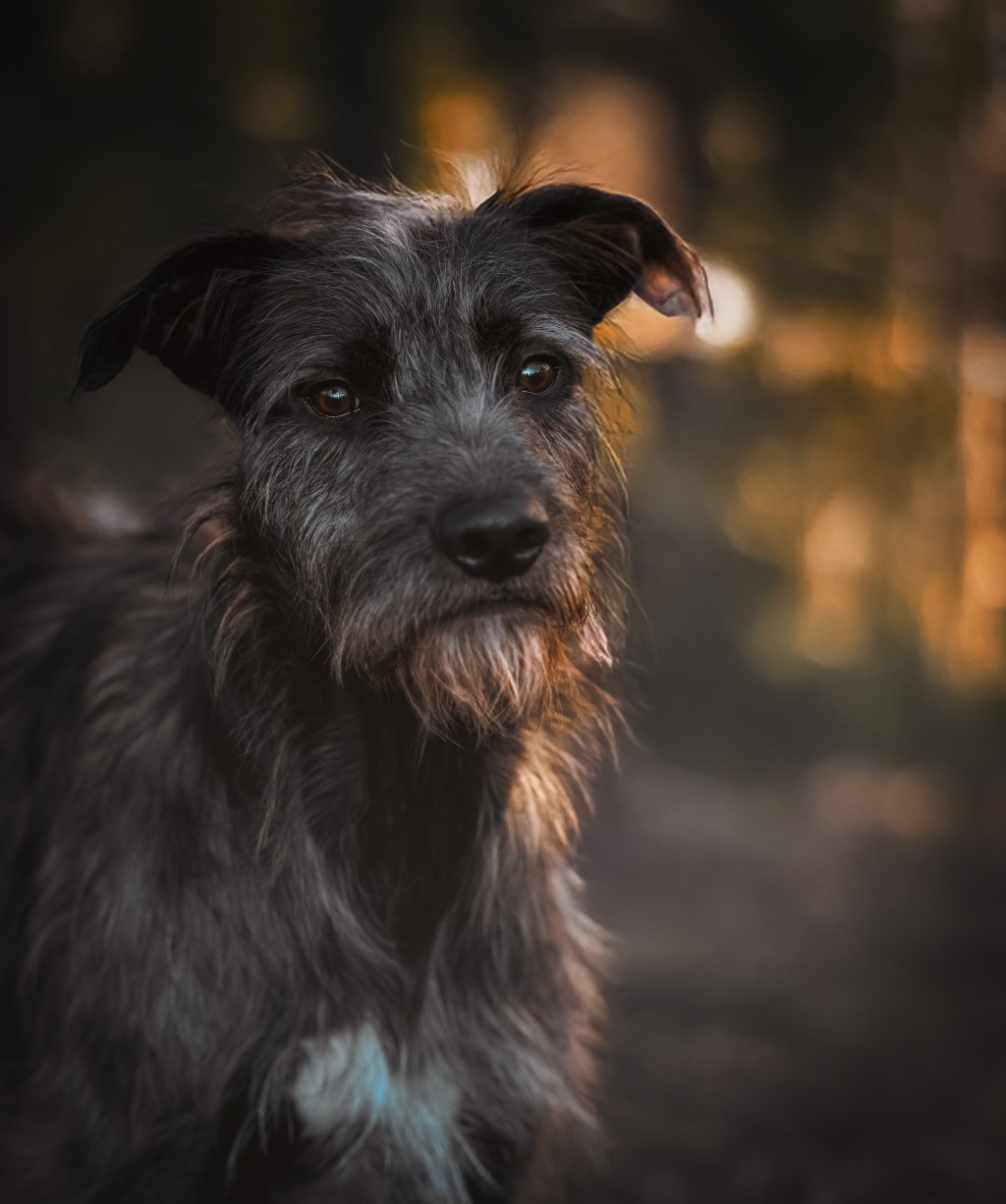
With a coat kissed by weather and eyes full of old stories, the lurcher is a nod to simpler times. No frills. Just purpose.” – by Working Dogs of The World
There is considerably more to the Lurcher than a pair of suspiciously long legs and an expression suggesting that life has personally let them down.
Unlike Greyhounds, which are a recognized breed with a fairly consistent appearance, Lurchers are technically a type of dog rather than a breed in their own right. They are usually the result of crossing a sighthound, such as a Greyhound, Whippet, Saluki or Deerhound, with another working breed, often a Collie or Terrier. In other words, someone looked at an already perfectly functional dog and thought, “I wonder what would happen if we added a little more intelligence, a little more stamina and possibly a questionable attitude?” The result was a wonderfully versatile animal, although nobody appears to have included an instruction manual.
A Little Bit of Everything, Including a Lot of Leg
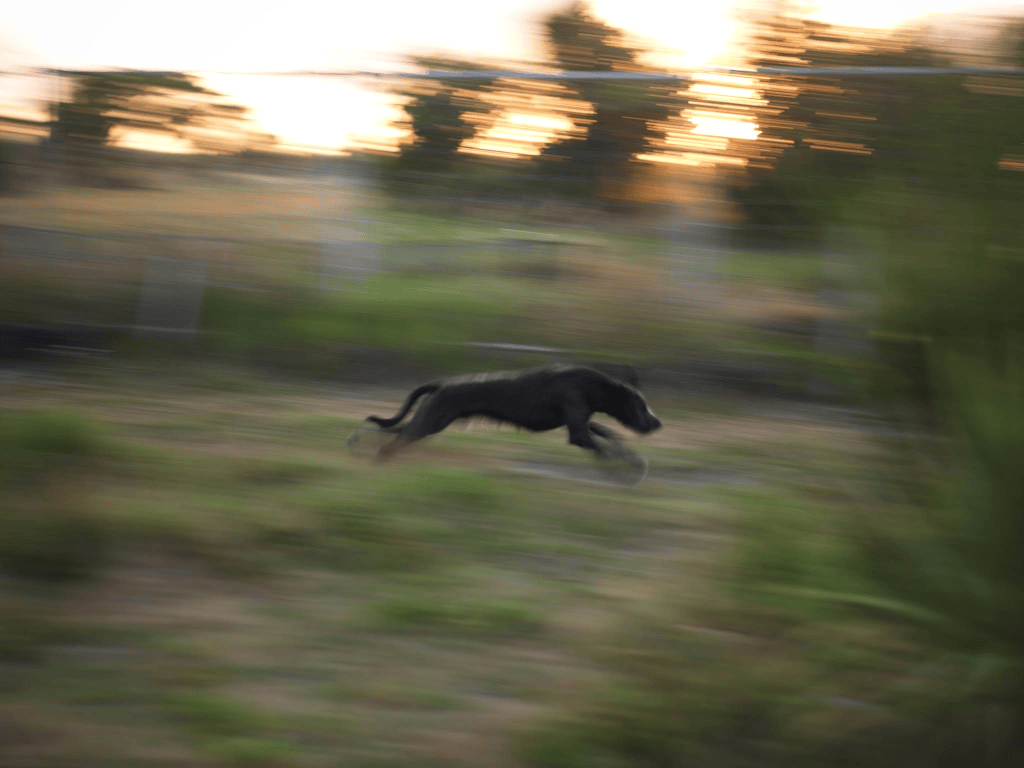
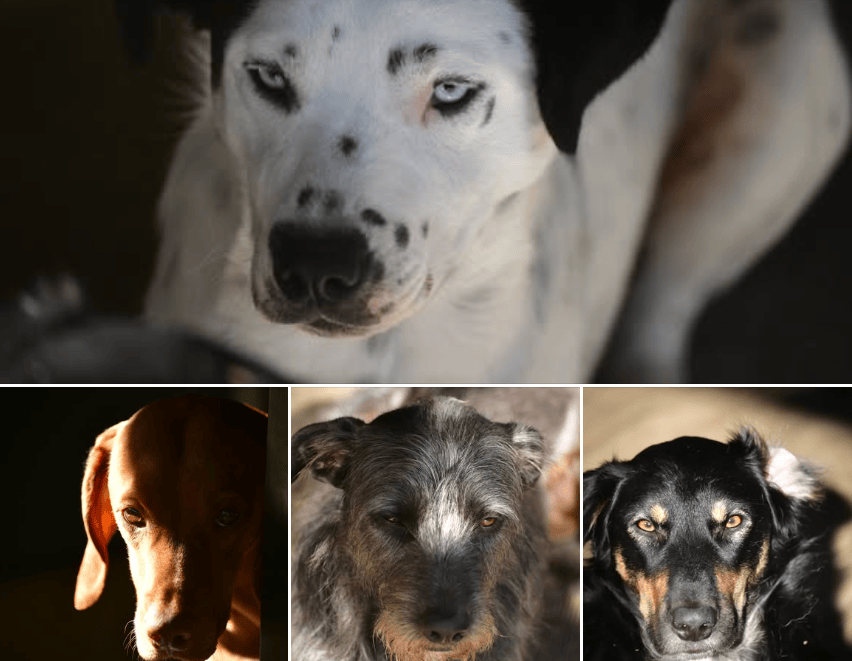
Lurchers come in all shapes and sizes. Some are sleek and elegant, looking like professional athletes who have accidentally wandered into a pet shop. Others are shaggy, muscular, wiry or downright enormous. Their appearance depends largely on their ancestry, which means identifying a Lurcher can be a bit like identifying the ingredients in a mystery casserole. One thing they often have in common, however, is their unmistakable sighthound physique: long legs, narrow waists, deep chests and powerful hindquarters. They are beautifully designed for acceleration and speed, with the ability to go from peacefully sleeping to disappearing over the horizon before you’ve even finished saying their name. Their bodies are essentially a collection of aerodynamic engineering marvels, with a few unnecessary emotional complications thrown in. And those legs! Lurchers have an extraordinary ability to occupy several square metres of floor space while apparently taking up no more room than a handbag when curled up. They can fold themselves into positions that would make a yoga instructor reconsider their career choices.
Born to Hunt, Bred to Improvise
Historically, Lurchers were working dogs, particularly associated with rural communities in Britain and Ireland. Their combination of speed and intelligence made them useful for hunting small game. Sighthound ancestry provided the speed, while other working breeds contributed abilities such as scenting, endurance, problem-solving and responsiveness to human direction. They were especially valued by people who needed a practical hunting companion but couldn’t afford the expense of maintaining several specialized dogs. A Lurcher could spot, chase and retrieve, often working with remarkable independence. They were economical, adaptable and exceptionally good at their jobs. Of course, their historical association with poaching also gave them a rather rebellious reputation. They were not exactly the countryside equivalent of well-behaved Sunday school children. In fact, if dogs had employment records, a Lurcher’s would probably contain several entries marked confidential, unofficial activities and please do not ask where the rabbit came from.
The Great Contradiction: Olympic Athlete or Professional Couch Potato?
Perhaps the most amusing characteristic of the Lurcher is the contrast between its athletic capabilities and its enthusiasm for doing absolutely nothing. You might reasonably assume that a dog built like a racing machine would require constant exercise. Yet many Lurchers are perfectly happy with a good walk, an opportunity to stretch their legs and somewhere comfortable to sleep afterwards. They are sprinters rather than marathon runners. Give them a safe opportunity to run, and they may demonstrate astonishing speed. Give them a comfortable sofa, and they may demonstrate an equally astonishing commitment to inactivity. Their favourite hobbies often include sleeping, stretching, sighing dramatically and looking disappointed when dinner is served only five minutes later than expected.
They also seem to possess a supernatural ability to detect the exact moment you have become comfortable. That is usually when they decide they need to go outside, come back inside, change beds, drink water or simply stand in front of you looking as though you have forgotten something terribly important.
Intelligence Comes with a Disclaimer
Lurchers can be intelligent, independent and surprisingly resourceful. Their working ancestry means many have inherited the ability to make decisions without constantly waiting for human instructions. This is wonderful when they are solving a problem. Less wonderful when the problem involves a rabbit, a neighbour’s cat or an unidentified object moving suspiciously in the distance. Their strong prey drive is something owners need to understand. A Lurcher that spots something worth chasing may suddenly develop selective hearing of extraordinary proportions. You can call, whistle, plead, negotiate and perhaps even offer your entire monthly salary. None of this guarantees that the dog will consider your contribution particularly relevant.
Secure fencing, sensible supervision and positive training are important, particularly because a Lurcher can cover an impressive distance in a remarkably short time.
They are often affectionate, sensitive companions, too. Many form strong bonds with their families and thrive in calm, loving environments. Harsh treatment is unlikely to win you any popularity contests with these sensitive souls. Although, judging by some Lurcher expressions, you could spend your entire life apologising and still not receive forgiveness.
And Then There Is the Face…
If you have ever looked into the eyes of a Lurcher, you will understand that their facial expressions deserve their own scientific study. They have perfected a particular look that combines sadness, disappointment, suspicion and the unmistakable impression that they know something you don’t. It is a face that says: “I have been terribly neglected.” This is despite having enjoyed breakfast, two walks, several treats, a comfortable bed and approximately fourteen hours of uninterrupted sleep.
Lurchers are also remarkably good at making their owners feel guilty. You could give one the best day of its life, and it would still look at you as though you had cancelled Christmas. They are, in short, emotionally sophisticated creatures with the moral flexibility of a retired pirate and the sleeping habits of a pensioner on holiday. And this, dear reader, is the fascinating canine heritage Mike has inherited: a little bit of hunting dog, a little bit of countryside history, fantastic speed, extraordinary legs and, apparently, an unlimited supply of personal grievances.



Leave a Reply